
The Internet of Things is quickly connecting our physical world with the digital world. The Internet of Things (IoT) is a vast interconnected network, ranging from household appliances to industrial machinery. All are equipped with sensors and software that collect and exchange data via the internet. This technology is not a concept of the future; it is a powerful force that actively shapes how industries innovate and deliver value. IoT unlocks unprecedented levels of intelligence, automation, and efficiency across different sectors by enabling real-time communication between devices. This article explores how IoT has transformed key industries and highlights its future potential.
Manufacturing Industry Impact of IoT
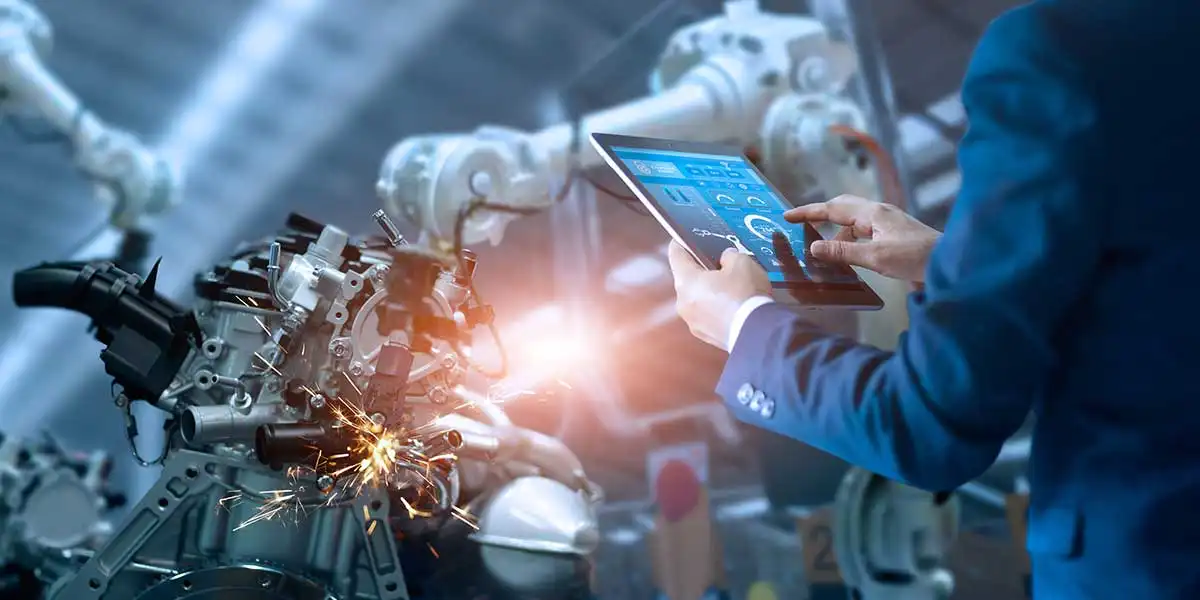
IoT in manufacturing is at the core of what’s often called “Industry 4.0,” or the fourth Industrial Revolution. Sensors are embedded in machinery and equipment to make factories smarter. These sensors enable predictive maintenance whereby potential equipment failures can be identified before they occur. Manufacturers can plan repairs in advance by continuously monitoring machine health and performance. This will reduce costly downtime and extend the life of their assets. IoT also facilitates a connected production line where processes can be automated and optimized in real time. The result is a higher quality of production, less waste, and a more flexible manufacturing environment.
IoT Applications in Healthcare
IoT has had a major impact on the healthcare industry. Wearable devices such as smartwatches, fitness trackers, and other wearable devices are becoming more common, allowing people to monitor health metrics like heart rate, sleep patterns, and physical activity. These data can be sent to healthcare providers for remote monitoring. This is especially useful when managing chronic conditions. IoT-enabled devices in hospitals help track medical equipment and monitor vital signs without having to constantly check manually. They also ensure that important medications are stored at correct temperatures. This integration improves not only patient safety and outcomes but also the efficiency of healthcare operations. Medical professionals can then focus more on patient care.
IoT in the Transportation and Logistics Sectors
Integration of IoT has made transportation and logistics more efficient and reliable. IoT sensors on vehicles and shipping containers provide real-time information to logistics companies. It allows for more accurate route planning, delivery time estimations, and increased security for valuable items. IoT can be used in public and private transport to optimize fuel consumption, manage traffic in cities, and give commuters real-time information. As connected cars become more common, they offer features such as advanced driver assistance, remote diagnostics, and infotainment, which make driving safer and enjoyable.
Smart Cities: The role of IoT
IoT is a key component of the concept of “smart cities.” Sensor networks are being deployed by cities to enhance the quality of living for residents and better manage resources. Smart streetlights, for example, can automatically adjust brightness according to the current conditions in real time, saving energy. Smart bins can optimize waste management by signaling when they are filled, which allows for more efficient collection routes. Environmental sensors monitor air and water pollution, providing useful data to health officials. IoT connects various urban systems, from traffic and public transportation to utilities and emergency services, helping create safer, sustainable, and more responsive cities.
IoT: Challenges and Considerations
The widespread adoption of IoT is not without its challenges, despite its many benefits. Data security and privacy are major concerns, since the large number of connected devices can create more entry points for cyberattacks. To maintain trust, it is essential to protect the sensitive data collected from these devices. Another challenge is integrating various IoT platforms and devices, which are often from different manufacturers. They may not be compatible by nature. For seamless interoperability, it is important to establish industry-wide standards. The sheer volume of IoT data, often referred to as “big data,” requires a robust infrastructure for data storage, processing, and analysis in order to gain meaningful insights.
The Future is Connected
The Internet of Things (IoT) is not just a new technology; it represents a fundamental change in the way we interact with our environment. Its impact is already visible in manufacturing, healthcare, and transportation. It drives efficiency, innovation, and an improved quality of living. IoT will continue to grow in importance as technology advances and current challenges are overcome. Businesses that embrace a connected future are better positioned to gain an advantage over their competitors and meet the changing needs of customers. IoT has been at the heart of digital transformation.
FAQs
1. What exactly is the Internet of Things (IoT)?
The Internet of Things (IoT) refers to the network of physical objects—or “things”—that are embedded with sensors, software, and other technologies for the purpose of connecting and exchanging data with other devices and systems over the internet.
2. How does IoT improve efficiency in manufacturing?
In manufacturing, IoT enables predictive maintenance by monitoring equipment health in real-time, which helps prevent unexpected downtime. It also automates and optimizes production lines, leading to reduced waste, improved quality control, and more efficient operations.
3. What are the main privacy concerns with IoT?
The main privacy concerns with IoT revolve around the vast amount of personal and sensitive data collected by connected devices. Unauthorized parties may access this data, use it for surveillance, or mishandle it, potentially leading to significant privacy breaches.
4. Can IoT help in managing chronic diseases?
Yes, IoT plays a crucial role in managing chronic diseases through remote patient monitoring. Wearable devices can track vital signs and other health metrics, allowing healthcare providers to monitor patients’ conditions from a distance and intervene when necessary.
5. What is a smart city, and how does IoT contribute to it?
A smart city uses IoT devices and technology to connect and manage urban services and infrastructure, such as traffic, public transport, waste management, and utilities. This helps to improve the quality of life for residents, enhance sustainability, and create a more efficient and responsive urban environment.