

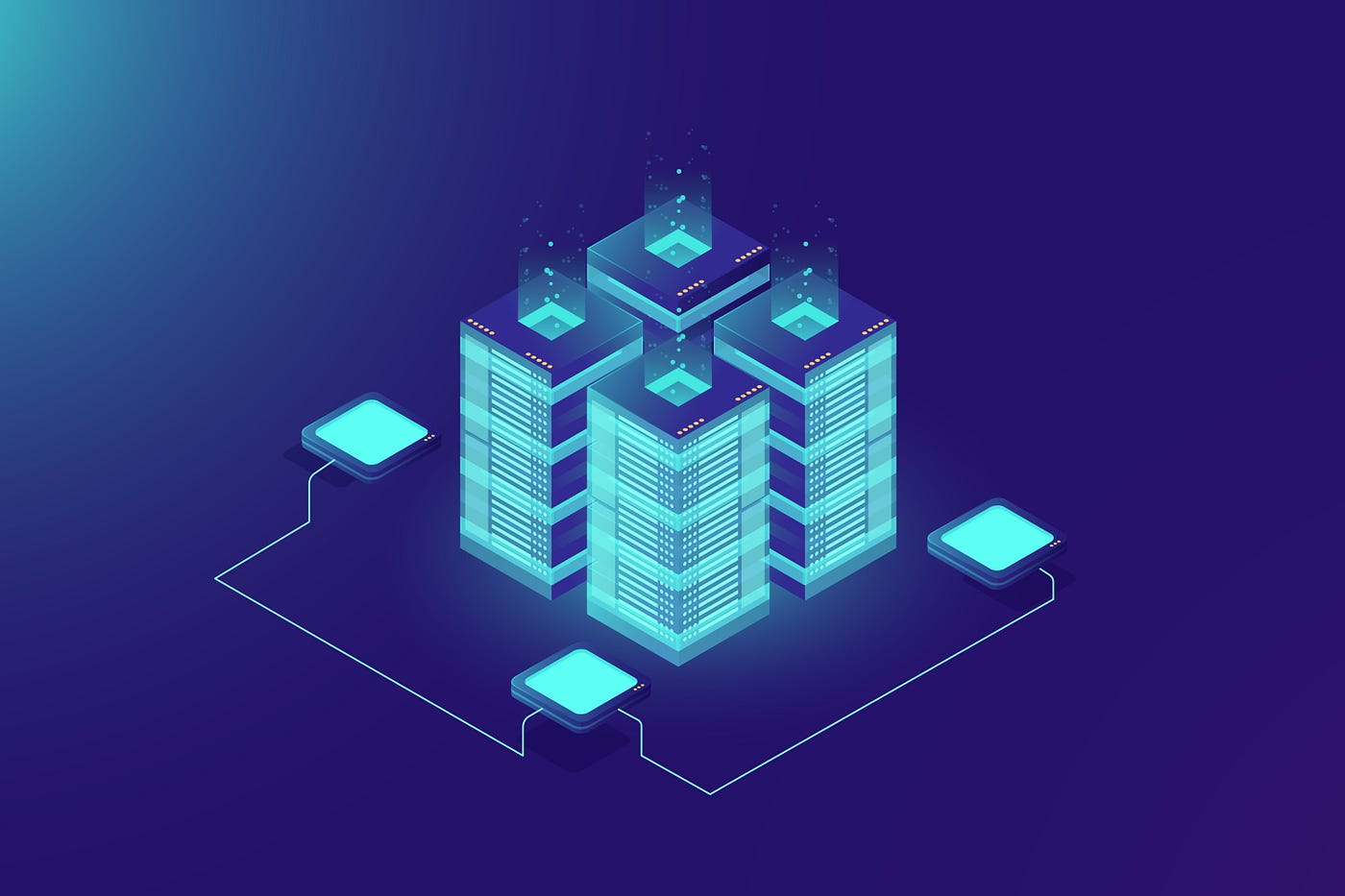
Blockchain is a revolutionary technology that extends far beyond digital currencies like Bitcoin and Ethereum. Blockchain is a revolutionary technology that transcends digital currencies. Blockchain technology is changing industries, from healthcare to supply chain management. It offers transparent, secure, and decentralized solutions for age-old issues. This article will explore the diverse applications of blockchain outside the cryptocurrency industry.
Introduction to Blockchain
Blockchain is a distributed ledger that records transactions on multiple computers. Blockchain is a distributed ledger that operates in a network, where no one party controls the entire system. Each “block” of information is linked with the one before it, forming a chain that is nearly impossible to change without detection. The structure of blockchain makes it transparent and secure, which is the reason why industries other than finance have taken notice.
The Core Concepts
Blockchain is based on three basic principles: transparency, immutability, and decentralization. Decentralization is the idea that no one authority controls the network, but instead multiple participants (called “nodes”) maintain copies of the ledger. Transparency is the ability to make all transactions visible for network participants. However, personal identities may remain anonymous. Once data has been recorded, it is extremely difficult to delete or change, creating a trustworthy and permanent record. Together, these characteristics create a system that is both reliable and secure.
What is Blockchain?
All nodes are notified when a transaction is made. These nodes verify the transaction by using cryptographic algorithms and predetermined rules. The transaction is then bundled together with other transactions to form a block. The block is added in chronological order to the chain. Each block has a unique code, called a hash. This hash is combined with the previous block’s hash to create an interconnected chain. When someone attempts to manipulate a block, the hash will change, alerting the entire network. This process is repeated continuously, building a record of verified transactions.
Beyond Cryptocurrency
Blockchain technology is not limited to Bitcoin. It has applications in many fields. Blockchain can be used to securely store patient data, giving authorized medical professionals access to complete health histories without compromising privacy. Blockchain’s ability to track products from manufacturing to delivery ensures authenticity and reduces fraud. Real estate is exploring the use of blockchain to streamline transactions and record property. Blockchain is being used to reimagine voting systems in order to create transparent and tamper-proof elections. Smart contracts—self-executing agreements written in code—are automating everything from insurance claims to legal agreements, reducing costs and eliminating the need for middlemen.
Benefits and challenges
Blockchain has many advantages. Decentralization eliminates single failure points and reduces the power of intermediaries. Transparency builds trust between parties that may not even know each other. Security features make data theft and fraud extremely difficult. Blockchain is not without its challenges. This technology is energy-intensive and has an environmental impact. Many blockchain networks are unable to handle the increased demand for transactions. Because of the uncertainty surrounding regulations, businesses are reluctant to embrace blockchain technology. Due to its irreversible nature, errors are difficult to rectify.
Blockchain: The Future of Blockchain
The blockchain technology is evolving rapidly. Developers are developing solutions to reduce energy consumption and improve transaction speed. Governments are establishing regulatory frameworks to encourage adoption. We’re likely going to see hybrid systems as more industries experiment with blockchain applications. Integration of blockchain and artificial intelligence with the Internet of Things may create possibilities that we’ve never imagined. Although mass adoption is still years away, it’s clear that blockchain will become more important in the way we store, verify, and share information.
Conclusion
Blockchain is more than just a technology that powers cryptocurrencies. This is a fundamental change in the way we record and verify data across trustless networks. Blockchain’s applications can be varied and vast, from transforming supply chains to securing medical data. The technology is still maturing and finding practical applications across diverse industries, despite the challenges. Understanding blockchain means being ready for a world where decentralized systems that are transparent and secure will become the norm, not the exception.
FAQs
1. Does blockchain only apply to cryptocurrency?
Blockchain has many uses beyond cryptocurrency. Blockchain solutions are being explored by industries like healthcare, real estate, supply chain management, and voting systems to improve security, efficiency, and transparency.
2. What is the security of blockchain technology?
Blockchains are highly secure because of their decentralized structure and cryptographic security. Once recorded, altering data would require changing every block on the network. This procedure is nearly impossible with established networks.
3. What distinguishes blockchain from a database?
Administrators can alter traditional databases, which are under the control of a central authority. Blockchain is distributed, with copies spread across a network. Changes require consensus by network participants.
4. Why does blockchain consume so much energy?
Some blockchain networks, especially those that use “proof of work” consensus mechanisms, require considerable computing power to secure the network and validate transactions. Newer consensus methods, such as “proof of stake,” are being developed in order to reduce energy consumption.
5. Is it possible to hack blockchain?
Blockchain is a very secure technology, but the apps built on it and the way users interact with it can be vulnerable. Due to its distributed structure and cryptographic security, the blockchain network’s underpinnings are highly resistant to hackers.